Tendinopathy - What to do?
Updated: Mar 22, 2021
What is tendinopathy?
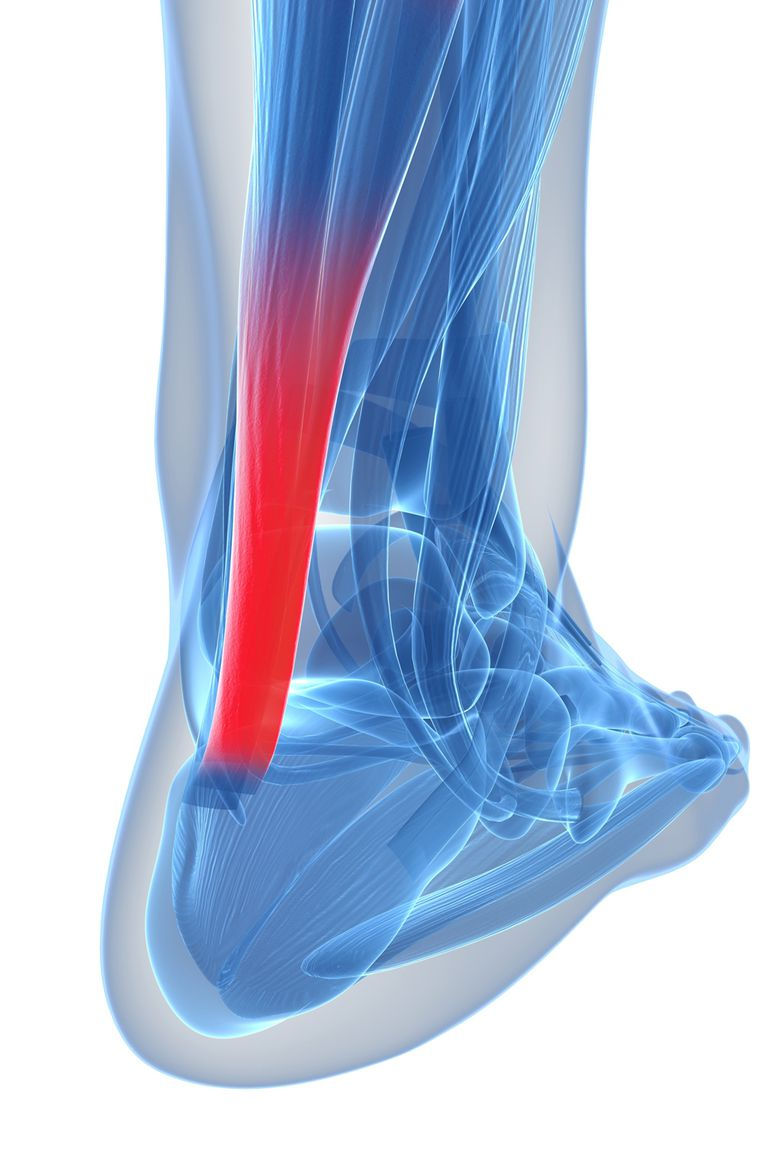
Tendinopathy is an umbrella term that means tendon pain and dysfunction. It is consider tendinopathy, localised pain on the tendon (i.e. Rotator cuff, Achilles, Patellar tendon) and pain during tasks that load or put stress on the tendon such as running, jumping, or throwing a ball.
We know that inflammation does not drive tendon pain nor pathology is not associated with pain, so, old terms like tendinitis or tendinosis have stopped being used.
Morning stiffness, localised pain, pain with activities that load the tendon i.e. squatting, lifting the arm, running, jumping, are characteristics of tendinopathy. The “warm up phenomena”
is also a common feature, it hurts at first, but when you warm up, the pain either reduces or disappears; however, it can hurt even more afterwards.
Musculoskeletal and Sport Physiotherapists are the only first contact “SPECIALIST” health care practitioner you can go to straight away. We specialise in musculoskeletal and sport related injuries and are well trained to help you. Did you know, you do not need a referral to see a physiotherapist?
We have the tools to accurately diagnose and treat you, and should you require further investigation we can then refer you to a GP.
Tendinopathy diagnosis is based on patient’s history and clinical examination, and further investigation is rarely necessary, only for differential diagnosis purposes.
What causes tendinopathy?
As mentioned above, tendinopathy is load related injury, hence referred to as an overloading injury. That means, you can develop tendinopathy when you exceeded your tendon load capacity during certain activity or sport. Tendons don’t like surprises, or sudden changes in load, when that happens, you can present with tendinopathy symptoms.
Overloading can be either cumulative or sudden (Chronic or Acute).
Cumulative overloading: you suddenly increased your training load and at the end of one or two weeks, the cumulative effect was greater than the tendon capacity and its ability to recover between training sessions.
Acute overloading: you exceeded the tissue (tendon) capacity in one session of training, ie. Achilles pain after one intense uphill running session, or a Rotator cuff related pain after moving houses, packing and carrying heavy items or after that intense cricket session.
I read this today on Instagram and it explains the overloading analogy quite well and how we would dose our intervention.
“If someone took 3x the recommended dosage of a medication and experienced side effects, the initial intervention would be to simply adjust the dosage, not stop the medication”
What is the most effective treatment?
There are a lot of research out there comparing effectiveness of different treatment for tendinopathy.
What we know is: Stay away from therapists who say you should avoid exercising or that you should rest. Rest is NOT the answer for tendinopathy, and as a matter of fact, it makes you even weaker from not using it.
You need load management, readjust your load and increase the load capacity in the tendon, increase your tendon fitness level and muscle strength and endurance.
Take your time and do not rush it!
Tendinopathy is a slow recovery injury and can take from 3-4 months to get better, and even longer in some patients. You should not give up before 3 or so months of progressive exercise program. That does not mean you will have to see your physio 4x a week for 3 months. He/She will give you advice regarding load management and a home exercise program to do, and you should give enough time to see results. There are NO QUICK FIX treatments. Stay away from “magical” treatments, they do not work for tendinopathy.
Dry needling, massage, anti-inflammatory and rest, do not resolve tendinopathy. Instead massaging or performing friction or dry needling in the tendon can actually aggravate your pain.
With tendinopathy you need an active treatment. YOU, responsible for your recovery, with the guidance from your physio in managing and progressing load accordingly.
The most effective treatment for tendinopathy is a personalised, progressive loading program and advice regarding exercise progression and how to manage flare ups from you physiotherapist. Taping can also help you during your recovery, in a few cases.
The progression back to your previous level of exercise should be tailored to your needs and constant.
To inject or not to inject?
Doctors used to inject tendinopathy with corticosteroid for years. Today, with science evolving and more research available, we know the harms corticosteroid can cause in your body. Each case is different and in 99% of the cases you should try a progressive exercise program with your physiotherapist before anything else.
Also, stay away from corticosteroid injections.
In doubt come and talk to your physio.
Gabriel Fernandes | APAM | CMP |
Titled Certified Mulligan Practitioner (CMP) | Titled Sports Physiotherapist (SONAFE - BRA) | Member of APA’s Msk & Sports National Group |
| Mphil Candidate at QUT | Accredited Australian and Brazilian Physiotherapist |
Senior MSK & Sports Physiotherapist at Spine and Body, Bundall, Gold Coast, AUS.
check the website for more information about bookings.
| www.gabephysio.com | Instagram @gabephysio |
Comments